







Search Results for: cloud forest
Exploring Costa Rica's Don Juan Coffee Estate: A Full Analysis of Coffee Cultivation in the Cloud Forest
Costa Rica, a Central American country with an area of only 51,000 square kilometers, nevertheless boasts 40% primary forest coverage and uniquely favorable conditions for coffee cultivation. Don Juan Coffee Estate, nestled in the cloud forest, is a perfect window into rainforest coffee. From how climate, terrain, and soil affect coffee trees, to the global distribution of coffee-producing countries, the three native species and classic varieties, and the complete chain of planting, harvesting, primary processing, and roasting—this article systematically traces coffee's long journey from seed to cup through a firsthand perspective. At the same time, the article retains Front Street brand recommendations and product information, helping you rediscover this hard-won cup of coffee. [more…]
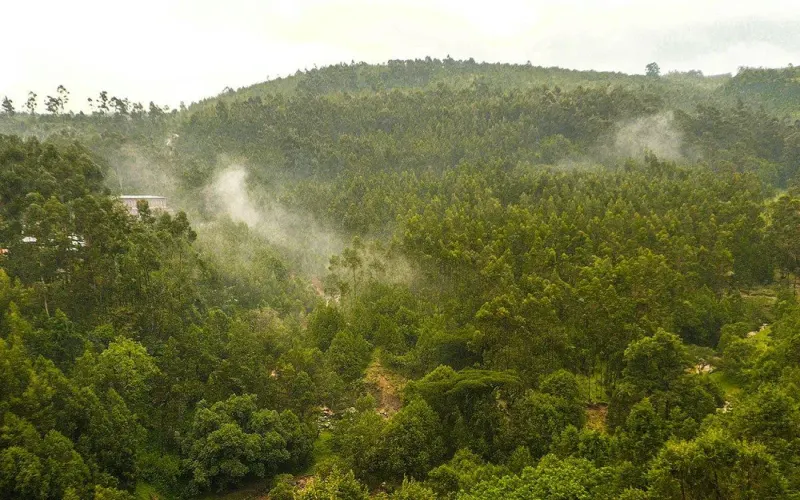
Exploring Ethiopia's Kafa Primeval Forest: The Origin and Flavor Analysis of Wild Arabica Coffee
Ethiopia is hailed as the cradle of coffee, and the Kafa Forest is the oldest and most pristine representative producing region in this land. Here, Arabica coffee trees grow wild and naturally in cloud-shaded rainforest, fully integrated into the forest ecosystem. This article begins with the historical legends of the Kafa Forest, sorts out its unique microclimate and soil advantages, and presents the roasting and cupping performance of a naturally processed Kafa Forest coffee bean sourced by Front Street Coffee, including dry aroma, wet aroma, and flavor changes at different temperatures, offering coffee lovers a complete sensory experience of wild coffee. [more…]
Uganda AA Coffee Beans: Origin Characteristics and Flavor Analysis — A Full Look at Bugisu Cloud Falls Farm
Although Uganda is a landlocked country in Africa, it is the world's tenth-largest coffee-producing country, with abundant water resources and dense forests. For a long time, its coffee quality was constrained by transportation and processing conditions, leaving a gap compared with its East African neighbors. After the end of the war in 1990, transportation gradually developed, and coffee became the country's most important agricultural product. Ugandan coffee is mainly Robusta, with Arabica accounting for only 6%. Its grading follows the Kenyan system, with AA being the highest grade. The AA-grade beans from Yunpu Farm in the Bugisu producing region are the most renowned traditional Arabica there. From the perspective of Front Street Coffee, this article will sort out its origin background, farm information, variety processing, and flavor performance, introducing you to this coffee with notes of cinnamon, fennel, and Baozhong tea. [more…]
Although both are Geisha varieties, those grown in Gesha Village, Ethiopia, and Hacienda La Esmeralda, Panama, show distinct strengths in the cup. In this article, Front Street Coffee compares the cupping and brewing flavors of two beans—Gesha Village Gold Label (Gesha 1931) and Hacienda La Esmeralda Red Label—to help you understand the flavor differences among Geishas from different origins, and to clarify whether the Geisha from Gesha Village, Ethiopia, and the Panama Geisha are the same variety. Geisha is extremely demanding about its growing environment; high altitude and shading by clouds and mist are key to unleashing its floral notes, and Hacienda La Esmeralda is famed worldwide precisely for its unreplicable altitude and climate conditions. [more…]
Costa Rica Cloud Estate Geisha Coffee: A Full Analysis of the Washed Process Flavor and the Los Santos Region
Located in the Los Santos region of Costa Rica, Cloud Mist Estate sits at an altitude of over 2,000 meters. With a century of history and a dedication to quality, it cultivates Geisha coffee with a uniquely distinctive flavor. This article provides an in-depth analysis of the terroir advantages of the Los Santos region, the cultivation philosophy and processing methods of Cloud Mist Estate, and focuses on the jasmine, mango, yellow apricot, coconut, and lactic flavors presented by the washed Geisha. At the same time, Front Street Coffee shares pour-over parameters and a three-stage pouring technique, taking you through the full experience of this high-altitude Geisha's vibrant acidity and sweet, lingering finish. [more…]
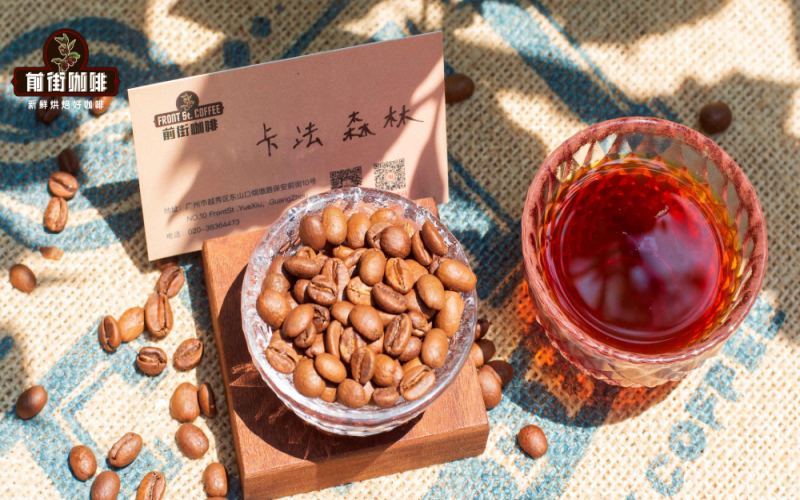
Exploring Ethiopia's Kafa Forest: The Birthplace of Wild Arabica Coffee and a Flavor Analysis
In western Ethiopia, there is a primeval forest known as a "natural coffee variety museum"—the Kafa Biosphere Reserve. This place is not only a genetic treasure trove of Arabica coffee but also the homeland of wild coffee trees. Coffee trees reproduce naturally in the high-altitude shaded environment of 1,400 to 2,100 meters, nurturing unique floral and fruity notes. Front Street Coffee selects washed-batch Kafa Forest coffee beans, presenting their bright citric acidity, white floral aromas, and sweet orange flavors through a medium-light roast. This article will guide you through an in-depth understanding of the geography and ecology of Kafa Forest, the characteristics of coffee cultivation there, and the complete flavor profile of this wild coffee as cupped by Front Street. [more…]
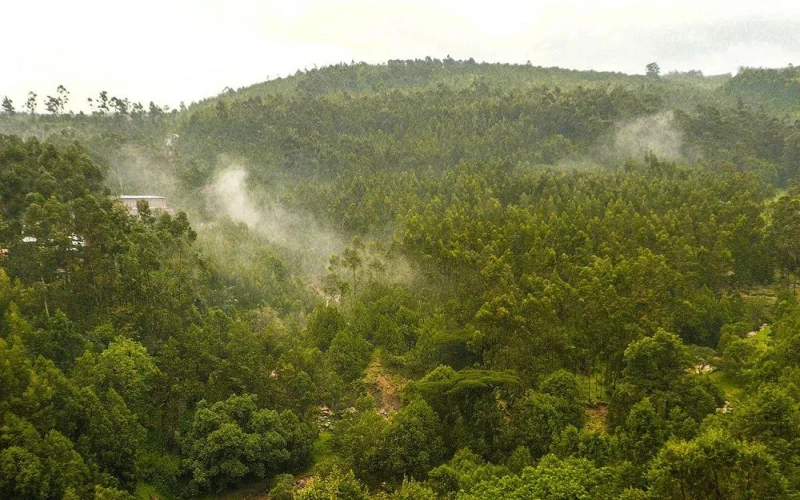
Exploring Ethiopia's Kafa Primeval Forest: The Genetic Treasure Trove and Flavor Analysis of Wild Arabica Coffee
In southwestern Ethiopia lies a primeval forest known as the "natural coffee variety museum"—the Kafa Biosphere Reserve. This is not only a genetic treasure trove of Arabica coffee but also nurtures approximately 5,000 coffee tree species. Front Street Coffee has delved deep into the archives to unveil the mysteries of the Kafa Forest for you: from the historical origins of the Kingdom of Kafa, to the growing environment of wild coffee, and further to the threats of cultivation and conservation efforts it faces. The article also features a cupping of a washed batch of Front Street Kafa Forest coffee beans, presented in a medium-light roast revealing the enchanting flavors of bergamot, white florals, and apricot. Follow our words and savor the pure taste bestowed by this ancient forest. [more…]
Ethiopian Kafa Forest Coffee: A Wild Arabica Gene Treasure Trove and Sun-Dried Flavor Analysis
In western Ethiopia, the Kafa Biosphere Reserve is renowned for its wild coffee—coffee trees grow in shaded environments at altitudes of 1,400 to 2,100 meters, where red soil, microclimates, and abundant rainfall combine to cultivate a unique flavor. Front Street Kafa Forest coffee beans are medium-light roasted, presenting white floral aromas after grinding, with a bright citric acidity on the palate, accompanied by notes of sweet orange and bergamot, and a finish of melon and nutty flavors, resembling green tea in mouthfeel. This forest, covering over 760,000 hectares, is considered a genetic treasure trove of Arabica coffee, nurturing approximately 5,000 coffee tree species. However, clearing and logging once threatened the forest with disappearance; since 2010, it has been designated an international biosphere conservation area, with about 30 cooperatives established nearby to harvest wild cherries. This article delves into the Kafa Forest, analyzing its ecology, varieties, and cup profile. [more…]
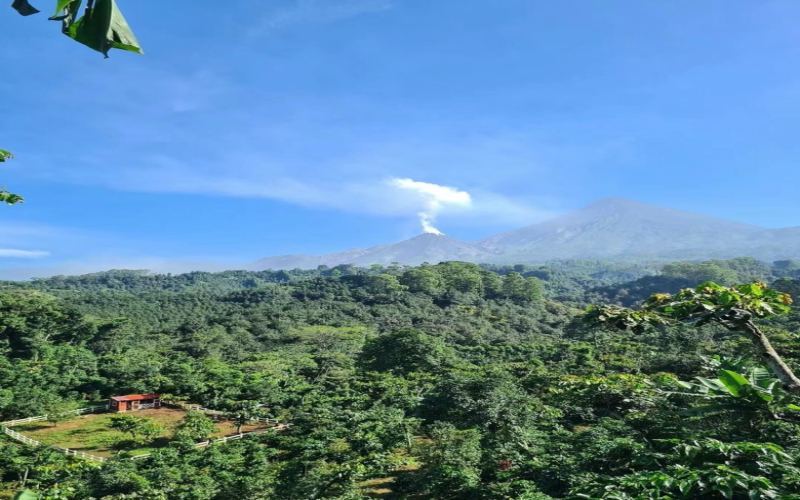
Does Higher Altitude Mean Better Coffee? The Real Relationship Between Altitude and Flavor
In coffee shops, you often hear the words "high altitude," as if the higher the altitude, the more premium the coffee. But the truth is not that simple: altitude is indeed a heavyweight factor affecting flavor, yet it is far from a straight-line relationship of "the higher, the better." What does altitude bring? A common feature of high-altitude growing regions is a large temperature difference between day and night, with relatively low temperatures. Coffee [more…]
The Legendary Bean at the Pinnacle of Central America: A Full Interpretation of the Flavor and Mouthfeel of Panama Sofia Estate Geisha Coffee
On the coffee map of Central America, it is hard to find growing conditions more extreme than those of Finca Sophia—this estate, nestled in the tropical rainforest of Panama at an elevation of 2,100 meters, is one of the highest coffee farms in the region. Since its founding in 2008, it has focused solely on cultivating the legendary Geisha variety, upholding the creed of "quality over quantity," and after eight years of cultivation, it finally welcomed its first harvest season. The results are eye-catching: its first harvest was selected for the United States Good Food Awards, and this May it took first place in the washed Geisha category at the Best of Panama coffee competition. This article will give you a complete interpretation of the unique charm of this cloud-top Geisha, from the estate's origins and sustainable growing philosophy to the flavor expression of the natural-process Geisha—apple, grapefruit, papaya, fig, and bright, juicy acidity. [more…]

What are Geisha coffee beans? The origin of Geisha coffee beans, recommended origins, prices, varieties, grade classifications, and an introduction to their flavor characteristics
Some people say Geisha coffee is so expensive, but what exactly does Geisha coffee taste like? Front Street believes that when you drink Geisha coffee, it feels less like a cup of coffee and more like a cup of fruit-and-flower tea. Because of different growing regions, the flavors that Geisha coffee presents also vary, but overall, Geisha coffee naturally carries a kind of [more…]
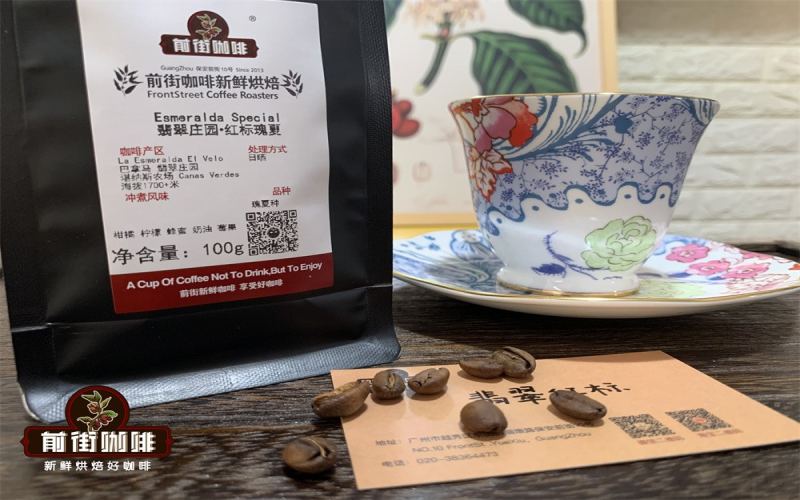
The Origin Story and Flavor Characteristics of Panama Geisha, and Three Geisha Coffees Worth Trying
Geisha is called "geisha coffee" because its pronunciation resembles the Japanese word for "geisha," and it is the most legendary variety in the specialty coffee world. It originated in the wild forests of Ethiopia, passed through Tanzania and Costa Rica, and finally shone brilliantly at Hacienda La Esmeralda in Panama, winning the Best of Panama cupping competition from 2005 to 2007 in succession and taking first place in the SCAA International Coffee of the Year cupping contest, with auction prices once reaching $130 per pound. Geisha green beans are blue-green in color and slender in shape, and are known for floral aromas and tropical fruit sweetness. Panamanian Geisha is extremely demanding regarding its growing environment, requiring high altitude, cloud and mist shading, and fertile soil. In addition to explaining the history and flavor characteristics of Geisha, this article will also recommend three high-quality and cost-effective Geisha coffee beans based on Front Street Coffee's sales rankings. [more…]

Geisha Coffee Origins | How Do Panamanian and Ethiopian Geisha Differ? What Geisha Varieties Are There? An Introduction to Panama Emerald Geisha Grades
Some people say that Geisha coffee is so expensive, so what exactly does Geisha coffee taste like? Front Street believes that when you drink Geisha coffee, you'll feel like it's not a cup of coffee, but a cup of floral and fruity tea. Because of different growing regions, the flavors that Geisha coffee presents also vary, but overall, Geisha coffee naturally has a [more…]
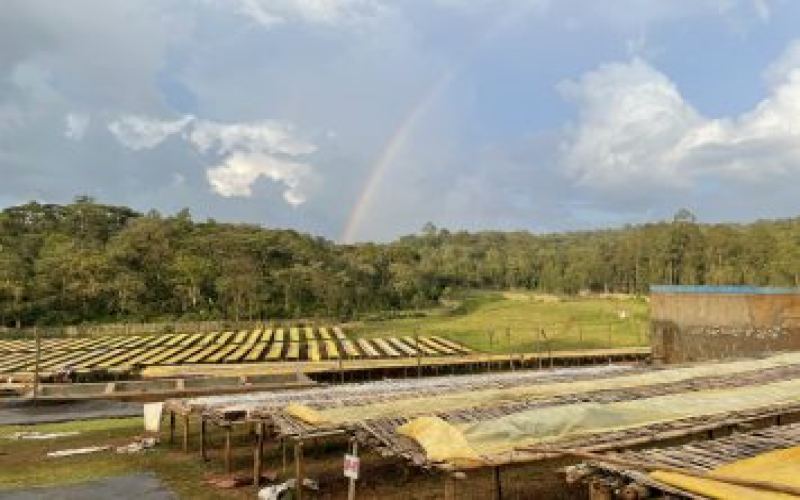
Kafa Forest: The Place Where the Name "Coffee" Was Born
Every cup of coffee's family tree can ultimately be traced back to a rainforest in southwestern Ethiopia—the Kafa Forest. The etymology of the word "coffee" comes from the name of the ancient Kingdom of Kafa. This article discusses this holy land of coffee. Where It All Began The Kafa Forest is located in southwestern Ethiopia and is a [more…]
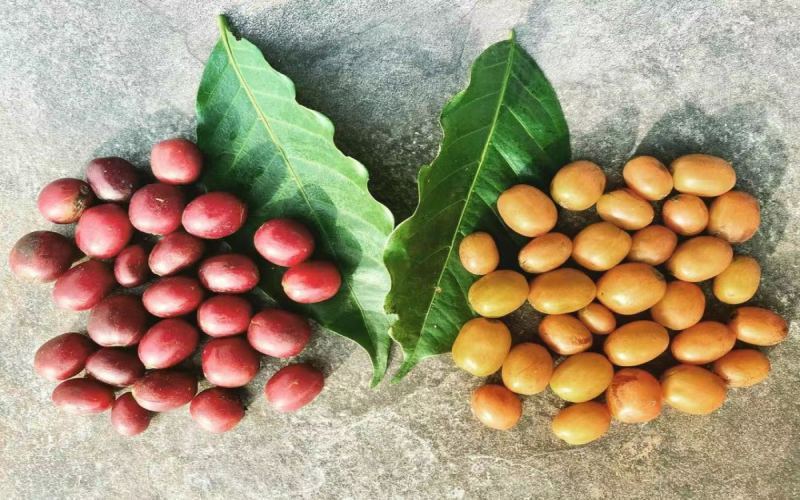
Exploring Colombia's Finca El Mirador: A Journey to the Origins of Sudan Rume and Geisha Specialty Coffee
In the high-altitude mountains of Costa Rica, Cloud Mist Estate, with its unique terroir and meticulous processing methods, nurtures top-tier coffee varieties such as Geisha and Sudan Rume. This article will take you deep into the natural advantages of the Los Santos region, analyze the varietal origins of Geisha and Sudan Rume, and share brewing suggestions from Front Street Coffee. From historical context to processing techniques, from varietal characteristics to pour-over parameters, it presents the fascinating world of specialty coffee in every aspect. [more…]
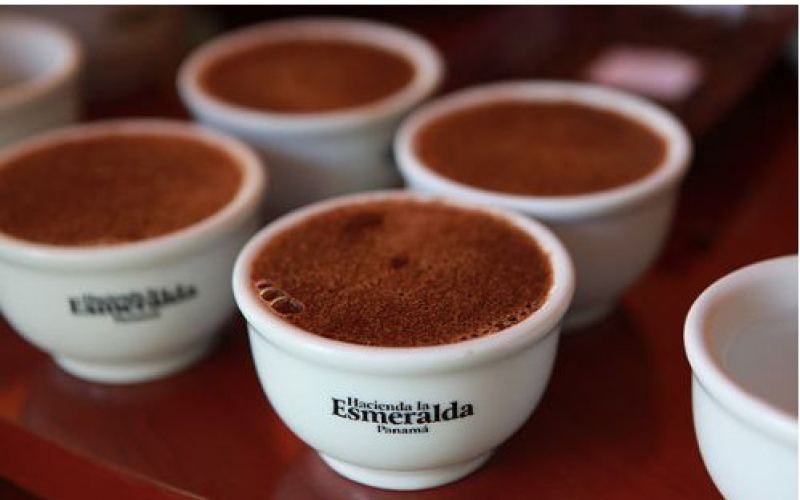
A Complete Analysis of Geisha Coffee Bean Origins: From Ethiopian Beginnings to Cultivation and Flavor at Panama's Hacienda La Esmeralda
Geisha coffee, also known as Gesha coffee, is widely recognized as a top-tier variety in the specialty coffee world. It originated in the Geisha forests of Ethiopia, then spread through Kenya, Uganda, and Costa Rica before arriving in Panama. It was not until 2004, when Hacienda La Esmeralda won the Best of Panama (BOP) competition, that it truly came into the public eye. Geisha is extremely demanding when it comes to its growing environment—high altitude, cloud cover for shade, and fertile soil are all indispensable, and this is what gives it its refined and elegant floral aroma and fruity acidity. Today, Colombia, Costa Rica, Guatemala, Peru, and even Ethiopia itself are all cultivating Geisha, with each origin offering its own distinctive flavors. Among the many Geisha coffee beans that Front Street Coffee has sourced are Panama Hacienda La Esmeralda's Red Label and Green Label, as well as representatives such as Colombia Hanami, Costa Rica Mirazu, and Ethiopia Gesha Village. This article will systematically outline Geisha's history of dissemination and the characteristics of each origin, along with Front Street's brewing recommendations and flavor descriptions, to give you a comprehensive understanding of this legendary coffee. [more…]
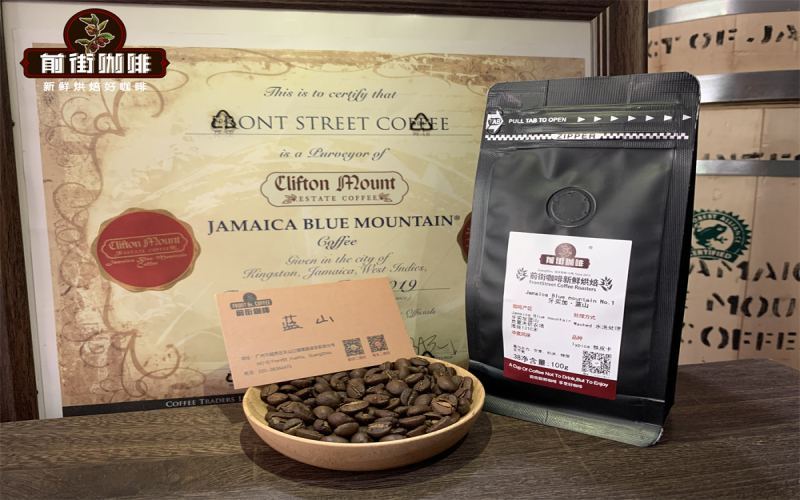
A Complete Guide to Jamaican Blue Mountain Coffee: From Cultivation History and Grading to Front Street Brewing Tips
Jamaican Blue Mountain coffee is hailed as the king of coffees, and its homeland, Jamaica, boasts unique geographical conditions and a strict quality control system. This article begins with the cultivation history of Blue Mountain, sorts out the certification standards of the Coffee Industry Board, the three major production regions, and the six official marks, analyzes the grading rules and washed processing flow of Blue Mountain coffee, and introduces representative estates such as WALLENFORD, Mavis Bank, R.S.W., and Clifton Mount. At the end, it includes Front Street Coffee's brewing suggestions and methods for distinguishing genuine Blue Mountain from counterfeit, helping coffee lovers gain a comprehensive understanding of this classic coffee that combines a rich body with balanced flavor. [more…]
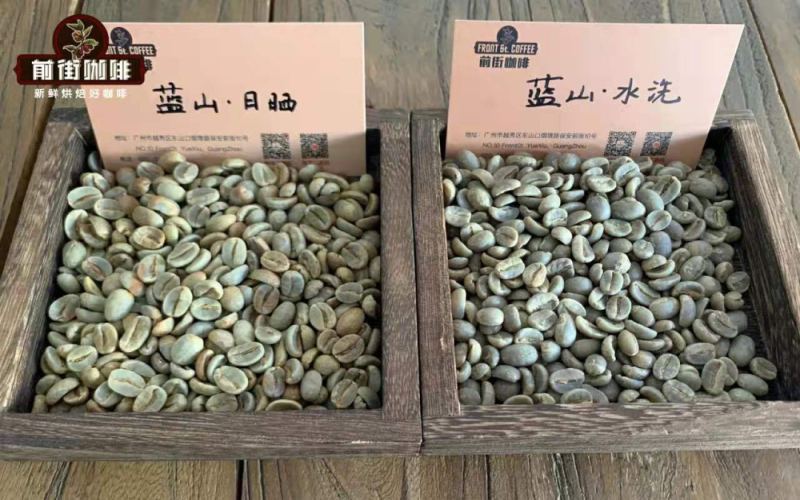
A Complete Guide to Jamaican Blue Mountain Coffee Beans: From History and Grading to Authenticity Verification and Front Street Brewing Tips
Blue Mountain coffee is hailed as the king of coffee, but do you really know it? From the perspective of Front Street Coffee, this article systematically reviews the cultivation history, geographical conditions, grading system, processing methods, and famous estates of Jamaican Blue Mountain coffee, and includes Front Street Coffee's brewing parameters and flavor description. At the same time, it teaches you how to distinguish authentic Blue Mountain No. 1 from Blue Mountain flavor blend beans on the market through four dimensions: appearance, feel when grinding beans, aroma, and taste. Whether you are a beginner enthusiast or a veteran gourmet in pursuit of the ultimate flavor, this content can help you understand Blue Mountain coffee more comprehensively and avoid common pitfalls in purchasing and tasting. [more…]
Analysis of the Flavor Characteristics of the Geisha Coffee Variety: A Comparison of Geisha Beans from Gesha Village and Hacienda La Esmeralda
Geisha coffee has always been renowned for its high price and unique flavor, and Front Street believes it drinks more like a cup of floral and fruity tea than coffee. Different origins give Geisha vastly different taste profiles, yet overall it presents an elegant and refined character. Geisha originally grew in the forests of Ethiopia, where it was used as a windbreak tree, and only rose to fame after being introduced to Panama. Is this due to the magic of the environment and climate, or to differences in varietal genetics? Geisha Village and Hacienda La Esmeralda, two representative origins, each have their own strengths in terms of variety provenance, processing methods, and flavor direction of the Geisha coffee beans they produce. This article will systematically sort out the characteristics of the Geisha variety, explain in detail the differences between Geisha Village and Hacienda La Esmeralda's Red Label, Green Label, and Blue Label Geisha, and include Front Street's brewing suggestions and flavor descriptions to help coffee lovers fully understand this precious variety. [more…]
Where is the birthplace of Arabica coffee? Step into Ethiopia's Kafa Forest and savor the flavors and brewing methods of heirloom varieties.
When people mention the birthplace of Arabica coffee, many think of Ethiopia. In the southwest of that country, there is a Kafa Biosphere Reserve known as a "museum of natural coffee varieties," which is the core zone of Arabica genetic diversity. Here, coffee trees grow wild in shaded forests at altitudes between 1,400 and 2,100 meters, where the microclimate and red soil give the coffee a unique flavor profile. Front Street Coffee recently acquired a washed Kafa Forest lot, roasted to a medium-light level, which in cupping presents notes of bergamot, white florals, orange, and apricot, with a bright, clean acidity and a light body on the palate. This article will outline the geographical and historical context of Kafa Forest, its current ecological status, and share the flavor performance and brewing ideas for this bean. [more…]